
Packaging-line engineering, in depth
Technical notes on coding, labelling and end-of-line machinery — pain points, components and what to look for.
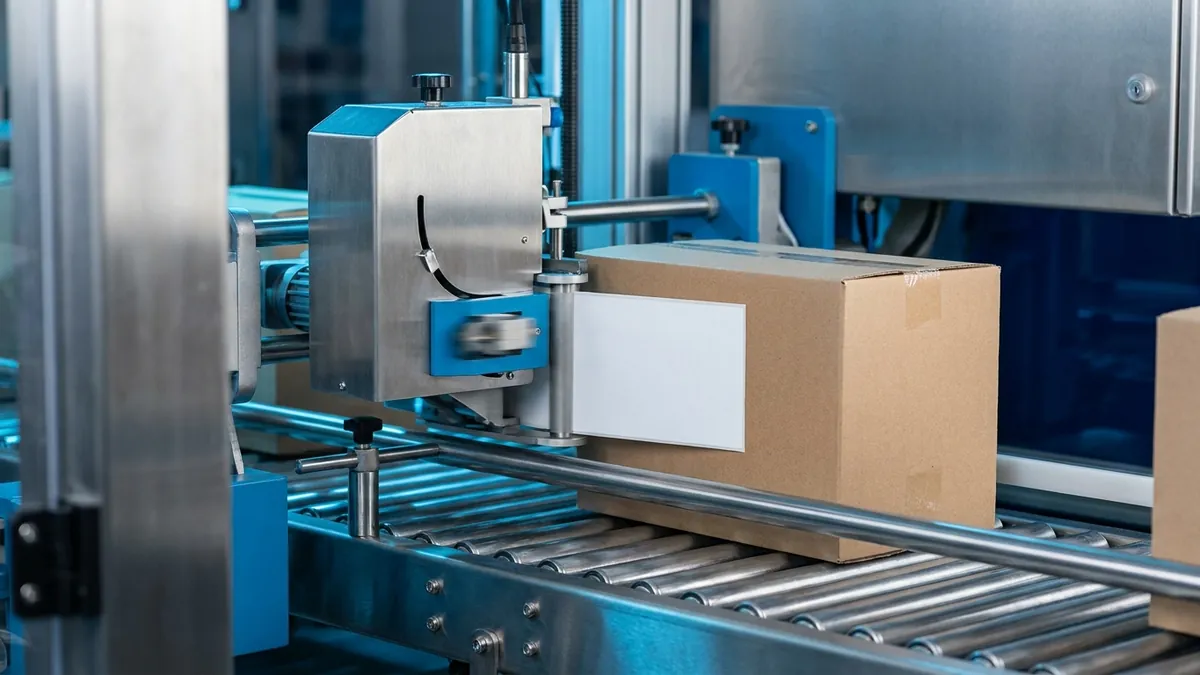
Why Manual Labeling Quietly Caps Your Line's Output
Hand-applying labels tops out at a few hundred units an hour; a print-and-apply station turns labeling into a fixed cycle time.
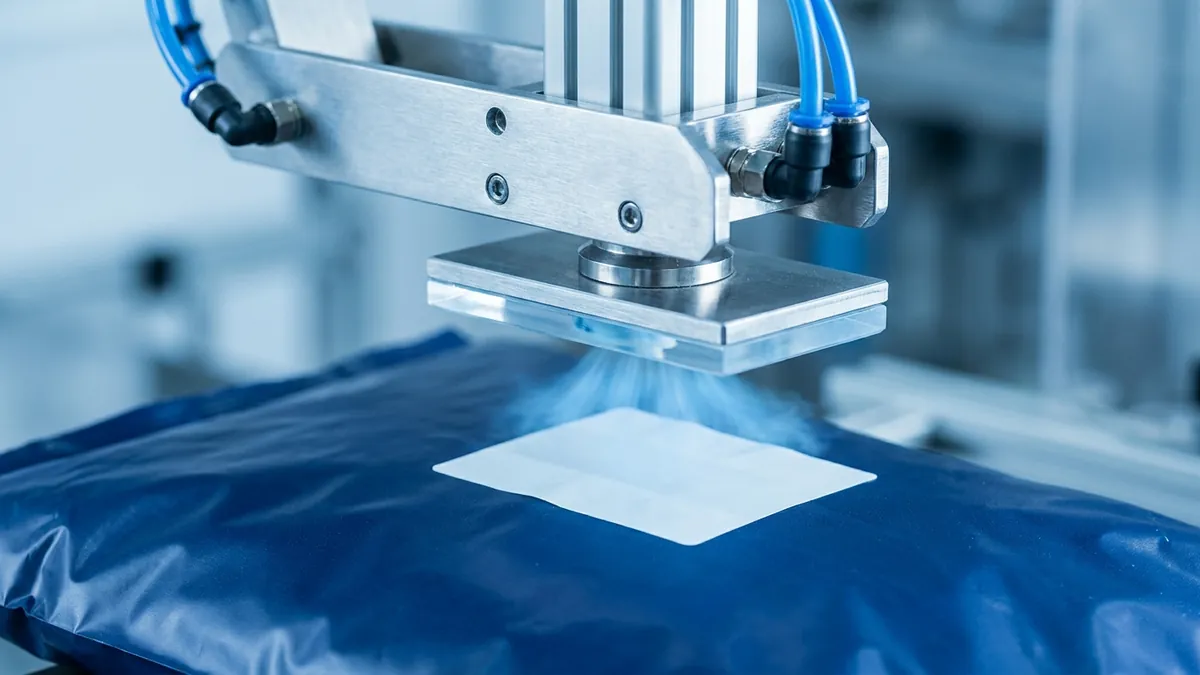
Contact vs Non-Contact Labeling: Protecting Fragile Products Without Losing Speed
Tamp, wipe, and blow applicators trade speed against how hard the label touches the product. Picking wrong crushes or overspends.

One Printer, Many Arms: The Case for Modular Label Applicators
A swappable-applicator architecture lets one print engine serve corners, tops, sides, and curved surfaces without buying a new machine.

What Happens to a Label Applicator During an Emergency Stop
E-stop events are a real failure mode: labels can slip, jam, or misfire if the applicator was not engineered to fail safely mid-cycle.

Peel, Present, Pick: Building a Robotic Label-Apply Station
Separating print-and-peel from apply lets a robot pick labels off the liner, enabling verification steps and flexible multi-station cells.

Corner, Top, Side, or Curved: Matching Applicator Geometry to Product Shape
A breakdown of labeling surfaces mapped to the applicator mechanism that handles each one, so buyers stop ordering the wrong arm.

Why Your Print-and-Apply Machine Struggles With Odd Label Sizes
Rigid single-profile firmware fails at the edges of the spec sheet; unusual sizes need adjustable winding delay and tension, not a bigger rating.

The Print Head Is a Wear Part. Plan for It
Thermal print heads have a shorter service life than the machine around them; treating the head as a consumable avoids surprise downtime.

Smudged Codes, Missed Scans: Diagnosing Print-Quality Failures on Coding Lines
A troubleshooting walk through the usual causes of illegible codes on high-speed lines, framed around preventing scan-rejects downstream.